







Search Results for: bitterness adjustment

Analyzing the Causes of Coffee Bitterness: How to Distinguish Over-Extraction from Over-Roasting and Precisely Adjust Pour-Over Parameters
Many coffee enthusiasts, when they encounter bitterness during pour-over brewing, instinctively cut off the tail end of the extraction—but is bitterness really only coming from the tail end? In fact, the sources of coffee's bitterness are complex: they are related both to the order in which compounds dissolve during extraction and to the degree of roast. Front Street Coffee will guide you through a deeper understanding of the true causes of coffee bitterness, teach you to distinguish between the bitterness caused by over-extraction and that caused by too dark a roast, and share how to avoid unnecessary bitterness by adjusting pour-over parameters such as grind size, water temperature, and time, so that every cup of coffee comes closer to your ideal flavor. [more…]
In-Depth Analysis of Espresso Dose Control: Extraction Adjustment Strategies from Gram Weight Differences to Flavor Balance
Many coffee enthusiasts are intimately familiar with latte art and equipment, yet when it comes to espresso extraction, they often overlook dosing, puck management, and tasting judgment. In fact, dose control is just as critical as grind size adjustment—fluctuations in dose mean that even the most beautiful latte art cannot mask an imbalance in the coffee itself. Starting from the TDS and extraction yield formulas, and drawing on a 2.3-gram dose difference measured on a Mazzer Robur grinder, this article uses charts and data to illustrate the specific effects of dose on concentration, extraction yield, and the balance between acidity and bitterness, and explores approaches to dosing for light-roast espresso. Front Street Coffee also emphasizes the importance of dose consistency in its daily output, and we hope this article offers practical reference for your extraction adjustments. [more…]
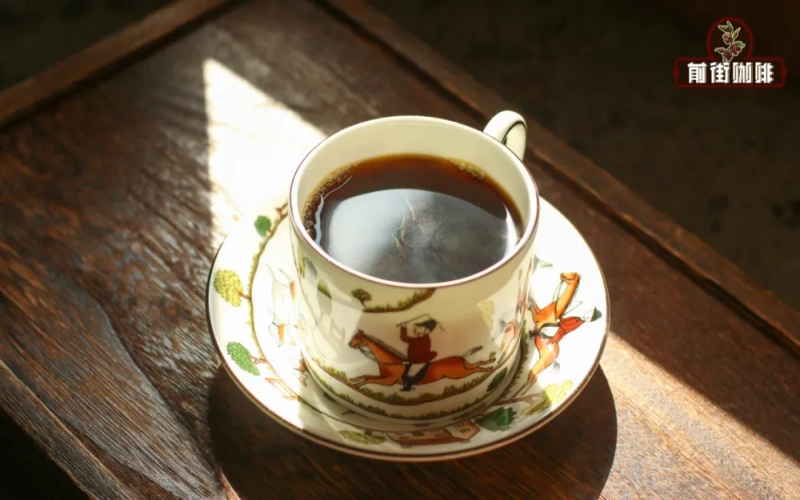
How Beginners Can Brew a Good Cup of Coffee with the Perfect Strength and Balanced Acidity, Sweetness, and Bitterness: A Full Guide to Grind, Dose, and Water Temperature Adjustment
To brew a cup of coffee at home that is both balanced and moderate in strength, relying on a single fixed set of parameters is far from enough. Starting with coffee bean selection, this article breaks down how to flexibly adjust the extraction plan for coffee beans in different states around three core variables: grind size, dose, and water temperature. It also specifically shares correction ideas for when strength and taste balance deviate, helping beginners gradually build a logical brewing correction framework. Whether you are just getting into pour-over or already have some experience, you can find practical directions for adjustment here. [more…]

The Benefits of Americano | What Causes Americano to Taste Bitter? How Can You Adjust the Flavor and Taste of Americano? Why Is Iced Americano So Popular?
Introduction: Americano can be said to be a type of coffee that many consumers really enjoy. It's convenient, quick, and can rapidly satisfy most people's caffeine needs. At the same time, it consists of only two parts—water and espresso—making it a type of what we commonly call black coffee. Black coffee also reflects the quality of the coffee beans, so [more…]

How to Adjust Imbalanced Acidity and Bitterness in Pour-Over Coffee? Find the Cause in Grind, Extraction, and Roast Level
A good cup of black coffee should have a balanced ratio of acidity, sweetness, and bitterness—if any one of these is too prominent, it will break the balance. In cupping, we emphasize harmony of flavors, but in everyday brewing, slight missteps with variables such as grind size, coffee-to-water ratio, and water temperature can make the coffee taste sharply sour or burnt-bitter. In this article, Front Street Coffee will focus on the common causes of acid-bitterness imbalance in pour-over coffee, with emphasis on the relationship between grind size and extraction time, while also explaining how roast level affects the perception of bitterness, and offering simple, practical adjustment directions to help coffee lovers quickly identify the problem and brew a smoother cup. [more…]

Why Does Hot Americano Taste as Bitter as Chinese Herbs? From Bean Selection to Extraction, a Guide to Making Smooth Americano
Hot Americano is often teased for having a bitter taste reminiscent of "Chinese herbal medicine" or "herbal tea," so many people switch to iced Americano. But when the weather turns cold, a warm cup of coffee is still a must. Why is hot Americano more bitter than iced Americano? The key lies in the fact that high temperatures amplify the taste buds' perception of bitterness, while higher concentration makes the flavors more intense. However, temperature and concentration are merely amplifiers—what truly determines the upper limit of bitterness is the coffee beans and the extraction plan. This article systematically explores how to make hot Americano smoother, from coffee bean roast level and extraction rate adjustments to fine particle handling, and retains recommendations for multiple Front Street Coffee bean varieties, helping you make a balanced, easy-drinking cup of Americano at home or in a shop. [more…]

Where Does the Bitterness in Pour-Over Coffee Come From? A Detailed Guide to Four Common Causes and How to Adjust
When brewing pour-over coffee, the appearance of bitterness is a problem many coffee lovers frequently encounter. The source of bitterness is not singular—it may come from the roasting profile of the coffee beans themselves, or it may be closely related to how long the beans have been stored, the coarseness of the grind, and the brewing water temperature. This article analyzes the causes of bitterness one by one from four dimensions and provides specific adjustment plans to help you brew a smooth cup of pour-over coffee at home. It also offers references for bean selection based on different flavor preferences and retains several recommended bean lists from Front Street Coffee for readers to choose from as needed. [more…]
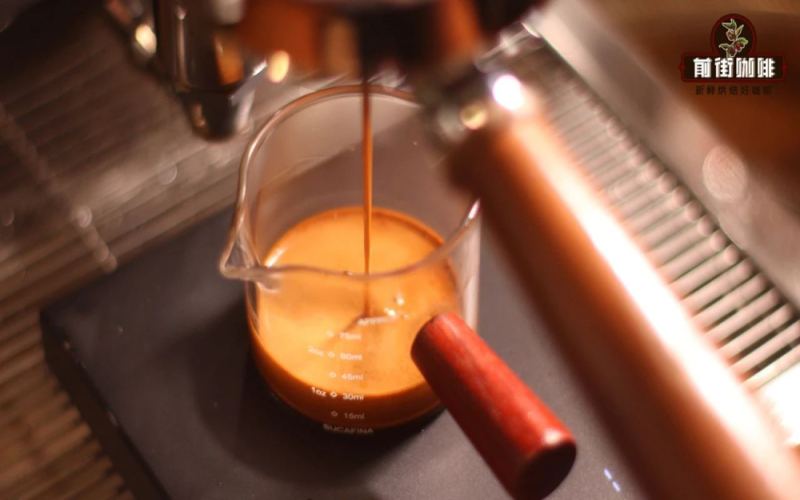
The Complete Guide to Espresso Dialing In: Parameter Adjustments from Grind Size to Yield, and Iced Americano Making
Dialing in an ideal espresso often means consuming a lot of coffee beans through repeated trial and error. This article takes a practical approach, systematically sorting out the core variables that affect espresso extraction—the interconnected relationship between grind size, dose, and yield—and provides a step-by-step adjustment strategy: first use a 1:2 brew ratio to lock in the time range, then fine-tune parameters based on flavor performance. The article also specifically reminds readers of how operational details like distributing and tamping can interfere with extraction stability, and recommends Front Street Classic Blend and Strawberry Candy Espresso suitable for both home and café use. Finally, using iced Americano as an example, it demonstrates the practical application of espresso in specialty drinks, helping coffee enthusiasts avoid detours and efficiently find their desired flavor state. [more…]

Espresso from Beginner to Practice: Extraction Principles, Parameter Adjustment, and Coffee Bean Selection Guide
To understand how espresso is made and how to make it well, the key is to grasp its fundamental difference from pour-over—pressure-driven extraction. This article starts with the principle of percolation, explaining how high pressure allows extremely fine coffee grounds to rapidly release oils and aromatic compounds, and sorts out the four major adjustable factors: dose, time, yield, and grind size. It also discusses why espresso is better suited to blended beans, recommends Front Street Coffee's Classic Espresso Blend, and provides the complete operating steps and parameter adjustment suggestions for Front Street Coffee's daily store output, helping you consistently make a cup of Espresso with balanced acidity, sweetness, and bitterness at home. [more…]
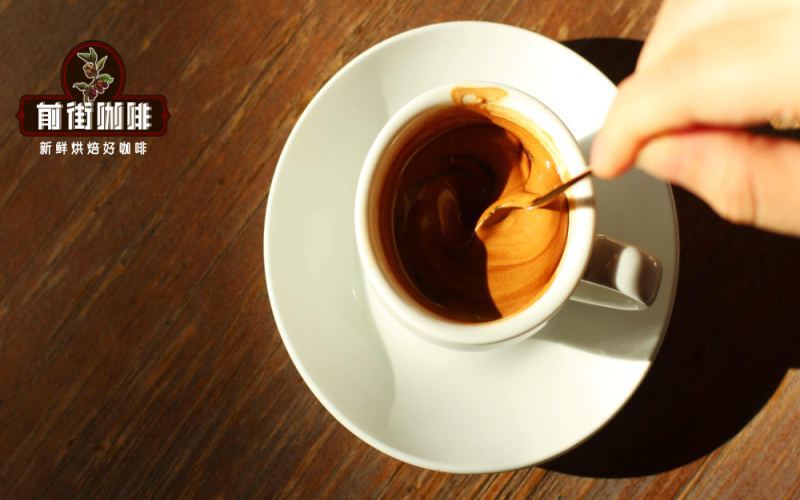
Exploring Espresso Extraction Imbalance: Flavor Correction Approaches and Practical Methods for Overly Bitter, Sharply Sour, and Astringent Coffee
Same beans, same machine—so why does today's espresso taste sharply sour and stinging, while tomorrow's is bitter and hard to swallow? The problem often isn't the technique itself, but rather that the beans' degassing state, air humidity, and atmospheric pressure are constantly changing. Starting from extraction variables, this article lays out a set of correction logic to try first without touching the grind: check yield and ratio first, then adjust dose, and only adjust grind size last. Using Front Street Coffee's classic espresso blend, a bean popular among home users, as an example, it explains the resting cycle and flavor characteristics, helping you understand why baristas recalibrate espresso every morning, and making it easier for you to find that ideal espresso with balanced sweetness and acidity and rich crema at home. [more…]

Espresso Grind Size | What Factors Affect Espresso Flavor and How to Pull a Delicious Shot by Adjusting the Grind of Espresso Beans
As we all know! The condition of coffee beans and the weather are constantly changing every day, and this directly affects espresso extraction, causing the coffee's taste to vary each day due to these changes. If we want to keep the coffee consistently delicious, we have to adjust parameters to correct the coffee's flavor. And this is [more…]
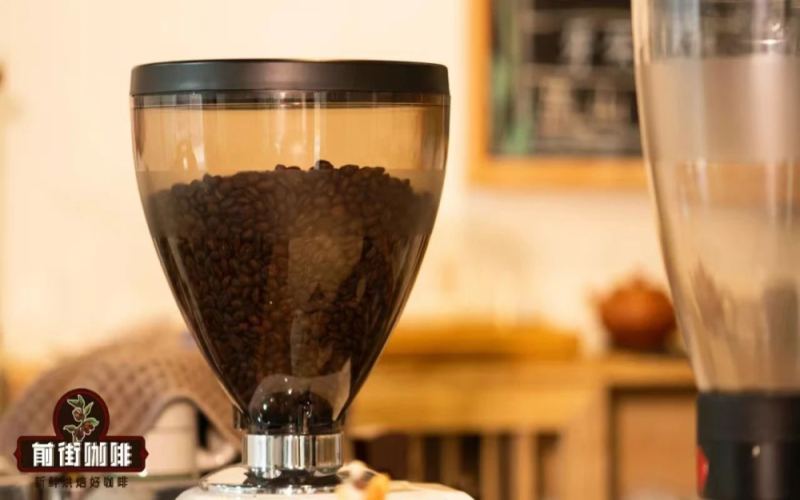
Espresso Extraction Adjustment Guide: Americano Time Control and Iced Americano Flavor Analysis
When brewing espresso, have you ever encountered this dilemma: you extract a cup full of anticipation, only to find it piercingly sour or bitter and astringent on the first sip? Many friends who make espresso at home know this all too well—the battle of dialing in espresso is far more complicated than imagined. Yesterday the flavor was still satisfying, but today it has completely changed. Is there a way to quickly get the espresso taste back on track while minimizing coffee bean waste? This article will focus on several core points of espresso extraction, including how to choose stable espresso beans, why coffee beans change flavor, how to fine-tune the extraction ratio and dose, when to adjust the grind size, and the extraction time for Americano as well as the taste characteristics of iced Americano, helping you quickly master the adjustment logic and consistently produce a delicious Americano or latte at home. [more…]
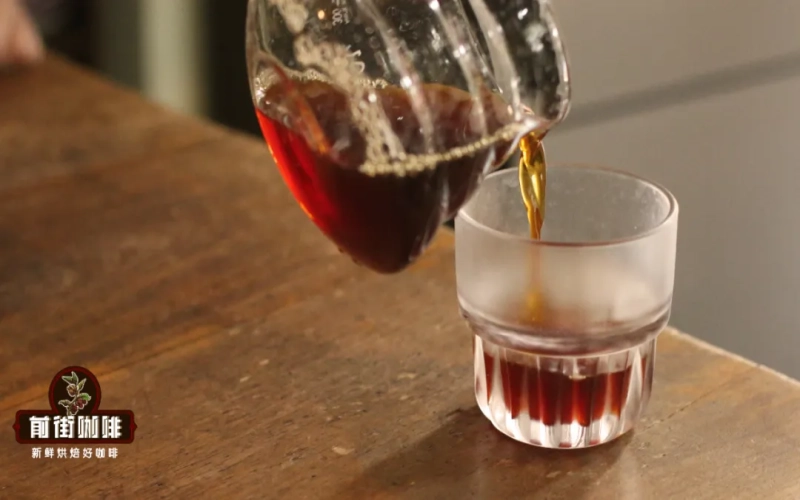
Where Does Coffee Astringency Come From? How to Solve Sour-Astringency and Bitterness Through Brewing Adjustments
When drinking coffee, a numb tongue and dry mouth—this rough tactile sensation is astringency. Astringency is not a taste but a tactile feedback caused by friction between the coffee liquid and the oral cavity. Its root lies in the excessive release of polyphenolic compounds in coffee beans—especially chlorogenic acid—which bind with salivary proteins and weaken lubrication. Astringency often interweaves with acidity and bitterness, forming sour-astringent or bitter-astringent notes. This article will begin with the causes of astringency, explain its relationship with extraction state, analyze which astringency counts as a quality characteristic, as well as the astringency that green beans themselves may bring, and offer specific ideas for improvement by adjusting extraction efficiency. [more…]
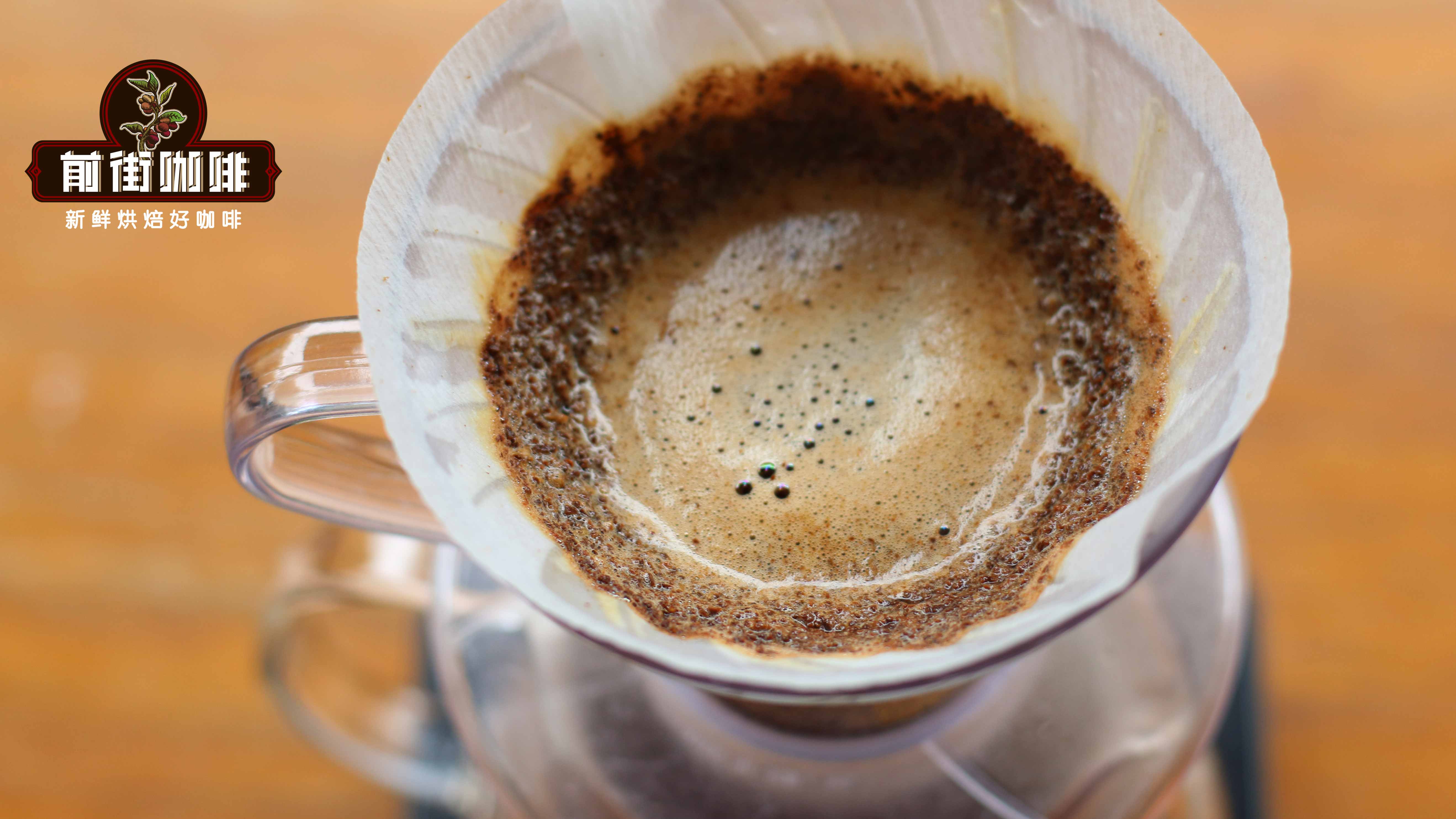
Analyzing the Causes of Acidity in Ethiopian Sidamo Natural-Process Pour-Over and a Three-Stage Brewing Adjustment Strategy
Many coffee enthusiasts who brew pour-over at home often run into the problem of coffee turning out either too sour or too bitter, making it hard to achieve the balanced, smooth result you get from a café. This article uses Front Street sun-dried Sidamo as an example to break down the specific operating parameters of three-stage pouring in detail, including coffee dose, coffee-to-water ratio, water temperature, and grind size, and explains that the different dissolution rates of sour, sweet, and bitter compounds in coffee are the fundamental reason why sourness stands out. The article further offers three practical adjustment approaches: increasing the amount of water poured, extending the extraction time, and raising the water temperature, helping readers flexibly revise their brewing plans based on the intensity of sourness and the level of concentration, so that sun-dried Sidamo can reveal softer, sweeter flavor layers. [more…]

How to Determine the Espresso Grind Setting? A Quick Adjustment Approach from Under-Extraction to Over-Extraction
Every morning, the first hurdle a barista faces is often not latte art, but getting the taste of espresso back on track. Coffee bean conditions and weather are constantly changing, and extraction results fluctuate accordingly. How can you find the right grind setting using the fewest beans and the shortest time? This article starts from taste, first determining whether the espresso is under-extracted or over-extracted, then uses a 1:2 coffee-to-water ratio and an extraction time of about 30 seconds as the baseline framework, correcting flavor through fine adjustments to the grind size. The article also uses Front Street Classic Blend as an example to fully demonstrate the three-step dialing process—from 23 seconds of sharp acidity to 31 seconds of balance, then fine-tuning the yield to finish—helping readers build a reusable debugging logic. [more…]
Analysis of Pour-Over Coffee Extraction States: How to Identify Over-Extraction and Under-Extraction and Adjust Your Brewing Plan
In the world of hand-brewed specialty coffee, the extraction state of a cup directly determines its flavor expression. Some people prefer floral and fruity notes, while others are drawn to dark chocolate and nutty tones, but when faced with astringent sourness or burnt, bitter off-flavors, most people can agree—this cup was not brewed well. Under-extraction, over-extraction, and ideal extraction—these three states correspond to different parameter logics. Starting from the order in which flavor compounds are released, this article will teach you how to judge the extraction situation through clues such as flavor performance, brewing time, and the state of the coffee bed, and offer adjustment approaches for different scenarios including light roasts, dark roasts, and excessive fines, helping you more precisely master every cup of pour-over. [more…]
Analysis of the Causes of Burnt, Bitter, and Astringent Flavors in Pour-Over Coffee and Corresponding Adjustment Methods
Many coffee enthusiasts who brew pour-over at home often run into the problem of coffee tasting bitter or even showing burnt, astringent notes. This bitterness may come from the roast profile of the beans themselves, and it can also be closely tied to how long the beans have been stored, the grind size, the proportion of fines, and the brewing water temperature. Drawing on the hands-on experience of Front Street Coffee, this article analyzes four common causes of bitterness one by one and offers concrete, actionable adjustments—including how to choose beans based on flavor descriptions, how to judge the optimal flavor window, how to calibrate grind size, and how to troubleshoot water temperature issues—to help you pinpoint the problem more accurately and brew a smoother pour-over coffee. [more…]
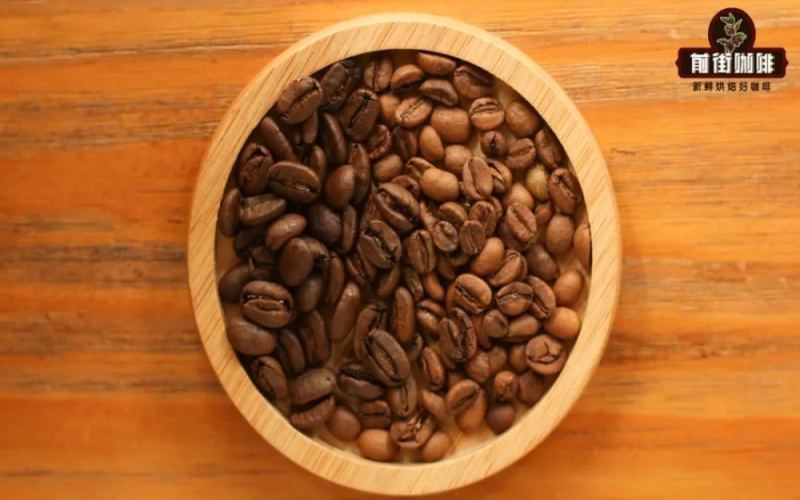
A Complete Breakdown of SOE Espresso Extraction Details: Grinding, Ratios, and Flavor Adjustment Techniques for Light-Medium Roast Espresso Beans
Making SOE with light-roasted beans is one of the more challenging aspects of espresso extraction. Drawing on the hands-on experience of Front Street Coffee, this article explains in detail how to set the extraction formula, how to adjust the grind setting according to the roast level, and provides troubleshooting approaches and adjustment plans for three common problems: sharp acidity with no lingering aftertaste, excessive bitterness from over-extraction, and thin crema. The core logic is: light-roast SOE requires higher extraction efficiency, and a brew ratio of 1:2 with a time of 30–35 seconds is a common starting point, but the final taste still depends on cupping judgment—fine-tuning the grind size and the yield are the keys that determine success or failure. [more…]
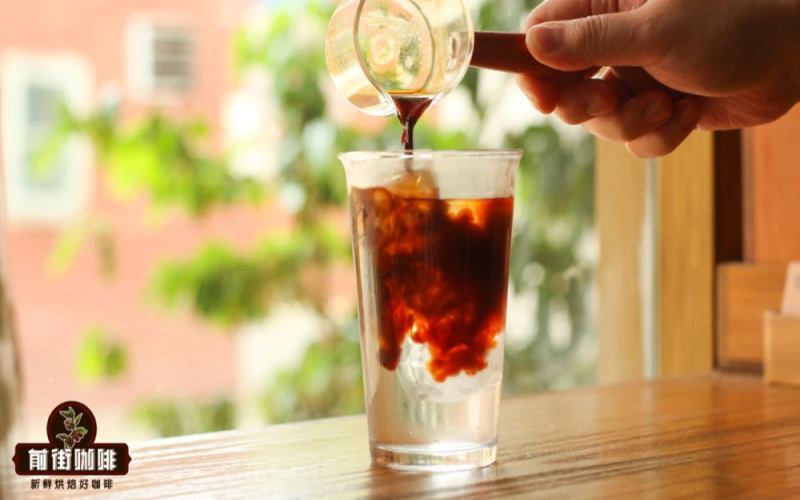
Is It Normal for Americano to Taste Sour? A Full Analysis from Extraction Principles to Brewing Parameter Adjustments for Sourness
Americano coffee is deeply associated with a bitter, full-bodied impression, but many people feel puzzled when they drink an Americano with a sour taste: is this normal? In fact, coffee beans naturally contain abundant acidity, and both roasting and extraction methods affect the final flavor expression. This article will start with the sources of sourness and the dissolution order of bitter, sweet, and sour compounds, then systematically sort out practical methods for adjusting coffee that is too sour, including key points such as choosing the roast level, controlling water temperature, grind size, coffee-to-water ratio, and extraction time. At the same time, it will introduce the currently popular SOE Americano trend and share several Front Street Coffee espresso blends suitable for making Americanos, along with their brewing suggestions. [more…]

Why Does Pour-Over Coffee Taste Sharply Sour? Analyzing Under-Extraction and How to Balance Sourness, Sweetness, and Bitterness
Many coffee enthusiasts enjoy a well-balanced pour-over in cafés, with its harmonious blend of acidity and sweetness, yet when they brew at home, they often end up with a sharp, jarring sourness that leaves them puzzled. In reality, the flavor of coffee depends on the proportions of three types of substances: acids, sugars, and bitters. Sharp sourness is often a sign of imbalance—it’s not necessarily that there are too many acidic compounds, but rather that not enough sweet and bitter substances have been extracted. Front Street Coffee will take a deep dive into the principles behind sharp sourness and, from three angles—lowering the coffee-to-water ratio, extending the extraction time, and raising the water temperature—provide concrete, actionable adjustments to help you brew a smooth, mellow pour-over at home. [more…]